Vacant Home Insurance in BC: What Happens If Your Property Sits Empty?
A home can sit empty for many reasons. Maybe you are travelling for an extended period, moving before your old home sells, renovating, managing an estate, waiting for tenants, or dealing with a delayed possession date.
Whatever the reason, one thing is important to understand: a vacant home can affect your insurance coverage.
Many homeowners assume their regular home insurance continues the same way whether someone is living in the property or not. That is not always the case. Insurance companies often treat vacant homes differently because they can carry a higher risk of damage, theft, vandalism, fire, water leaks, and delayed emergency response.
If your property in Vancouver or anywhere in BC will be empty for a period of time, it is worth speaking with an insurance broker before you leave it unattended. Habitat Insurance can help you review your current policy and understand whether vacant home insurance or a vacancy permit may be needed.
What Is a Vacant Home?
A vacant home is generally a property where no one is living and the occupants have moved out with no clear intention to return soon. This can be different from a home that is temporarily unoccupied.
For example, if you leave for a two-week vacation but your furniture, clothing, and personal belongings are still in the home, your property may be considered unoccupied, not vacant. But if the home is empty, cleared out, listed for sale, waiting for renovations, or between tenants, it may be considered vacant by an insurer.
The exact definition can vary by insurance company and policy wording. That is why it is important to ask your broker before assuming your home is covered the same way.
Vacant vs. Unoccupied: Why the Difference Matters
The difference between vacant and unoccupied may sound small, but it can matter a lot during a claim.
An unoccupied home is usually still set up as a residence. The owner may be away temporarily, but the home still has furniture, utilities, and signs that someone lives there.
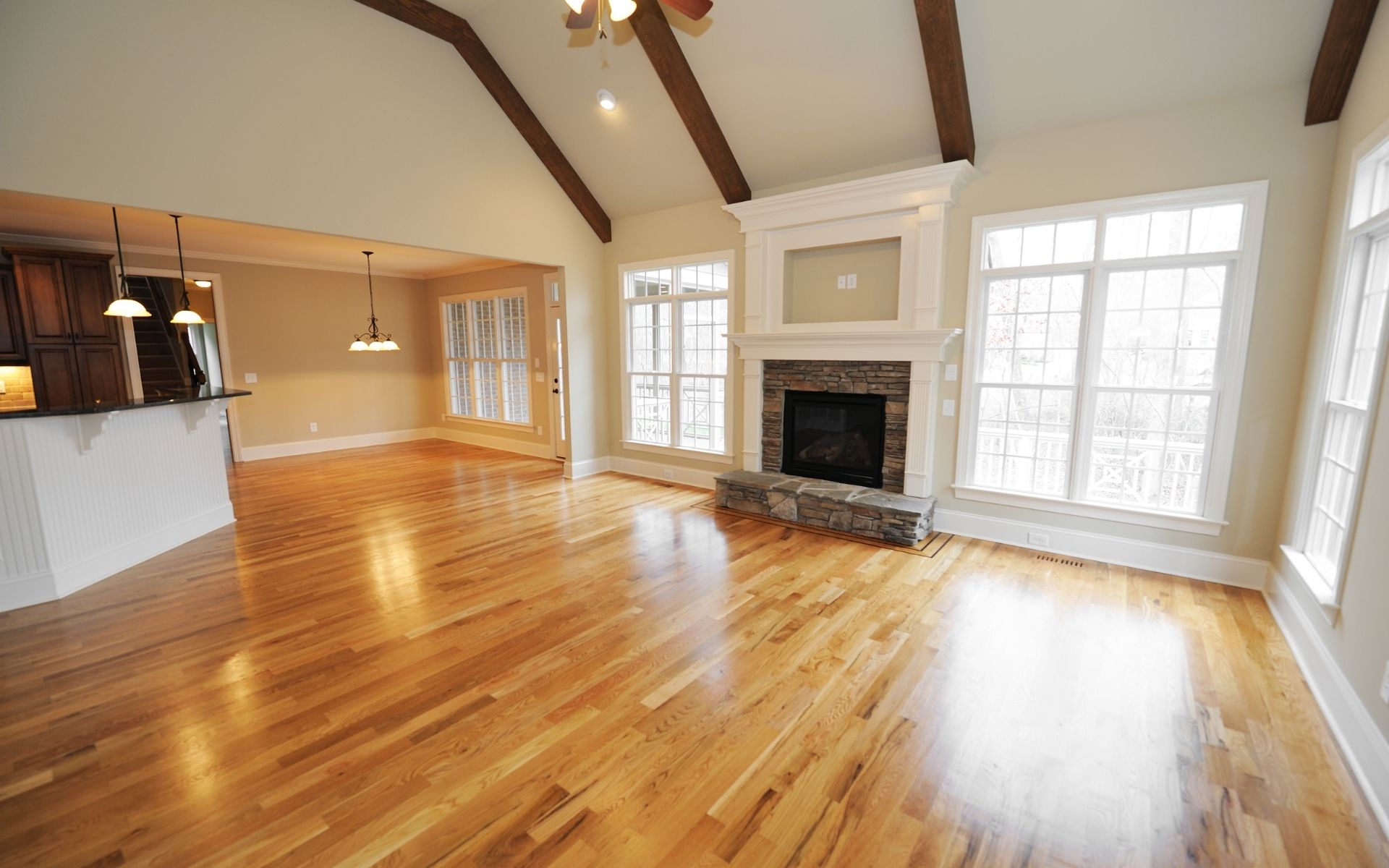
A vacant home is often empty or mostly empty. There may be no regular occupant, no furnishings, limited activity, or no immediate plan for someone to live there.
Insurance companies usually see vacant homes as higher risk because problems can go unnoticed for longer. A pipe can leak for days. A break-in may not be discovered quickly. A heating issue can lead to frozen pipes. A small fire or electrical issue may cause more damage because no one is there to respond.
If your policy has vacancy conditions and you do not tell your insurer that the property is empty, your coverage could be reduced or denied after a claim.
Why Vacant Homes Are Riskier to Insure
A lived-in home has regular activity. Someone notices if the heat stops working, if water is leaking, if a window is broken, or if there are signs of forced entry.
A vacant home does not have that same daily oversight.
Common risks for vacant homes in BC include:
- Water damage from leaks, burst pipes, or appliance failures
- Theft of appliances, copper wiring, tools, or fixtures
- Vandalism or break-ins
- Fire or electrical issues
- Weather-related damage
- Mould from unnoticed moisture
- Frozen pipes during colder weather
- Squatters or unauthorized entry
- Delayed discovery of damage
Even in a neighbourhood that feels safe, an empty property can attract attention. This is especially true if mail piles up, lights stay off, the yard is not maintained, or the home is visibly under renovation.
When Might You Need Vacant Home Insurance in BC?
Vacant home insurance or a vacancy permit may be needed in several common situations.
You Are Travelling for an Extended Period
If you leave BC for a long trip, extended family visit, work assignment, or winter stay somewhere warmer, your home may be unoccupied for weeks or months.
Before you leave, check your home insurance requirements. Your policy may require regular inspections, heat to be maintained, water to be shut off, or other precautions.
If the home will be empty for longer than your policy allows, contact Habitat Insurance before you travel.
You Are Selling Your Home
Sometimes homeowners move into a new home before the old one sells. The property may be staged, partially furnished, or completely empty while listed.
A home for sale can be especially exposed because many people may enter for showings, open houses, inspections, cleaning, or repairs. If the home is empty, you should ask your broker whether your regular house insurance still applies.
You Are Renovating
Renovations can make a home temporarily unlivable. You may move out while contractors work on plumbing, electrical, structural changes, or major interior updates.
A property under renovation may have extra risks, including open walls, tools on site, temporary heat interruptions, exposed wiring, water shutoffs, and increased foot traffic.
If you are renovating your Vancouver home and it will sit empty, speak with your broker before construction starts.
You Are Between Tenants
If you own a rental home, basement suite, condo, or investment property, there may be gaps between tenants.
A short gap may not seem like a big issue, but if the property is vacant longer than expected, coverage questions can come up. This is especially important if the previous tenant has moved out completely and the unit is waiting for repairs, cleaning, or new occupancy.
You Are Managing an Estate Property
Estate properties can remain empty while family members handle probate, legal matters, repairs, sale preparation, or personal belongings.
If you are responsible for a deceased family member’s home, do not assume the existing policy continues normally. Contact a broker as soon as possible to review occupancy, ownership, inspections, and coverage requirements.
You Own a Seasonal or Secondary Property
Some BC properties are used only part of the year. Cabins, vacation homes, secondary residences, and recreational properties may have special insurance requirements if they are empty for long periods.
Coverage may depend on how often the property is checked, whether it is winterized, whether utilities remain on, and how the property is used.
What Could Happen If You Do Not Tell Your Insurance Company?
If your home becomes vacant and you do not notify your insurer, your policy may not respond the way you expect.
Depending on the policy, certain types of claims may be limited or excluded after a property has been vacant for a certain period. This can include damage from water, vandalism, glass breakage, theft, or other losses.
The exact rules depend on your policy wording, which is why it is so important to check. A five-minute call to your broker before the home sits empty can help prevent a much bigger problem later.
What Is a Vacancy Permit?
A vacancy permit is an insurance endorsement that may allow certain coverage to continue while the home is vacant for a defined period.
It does not automatically cover everything, and it may come with conditions. For example, your insurer may require regular property inspections, maintained heat, water shutoff, alarm systems, or other risk-reduction steps.
A vacancy permit is not something you should arrange after the home has already been empty for a long time. Speak with your broker before the vacancy begins, or as soon as you know the home will be empty.
Habitat Insurance can help you understand whether a vacancy permit is available and what conditions may apply.
Does Vacant Home Insurance Cost More?
Vacant home insurance can cost more than standard home insurance because the risk is higher.
An empty home is more likely to have damage go unnoticed. It may also be more vulnerable to theft, vandalism, and maintenance problems. Because of that, insurers may charge more, limit certain coverages, require higher deductibles, or apply special conditions.
Still, the cost of arranging proper coverage is usually far less stressful than discovering after a loss that your regular policy did not apply.
A broker can help you compare options and understand what coverage is available for your situation.
How to Protect a Vacant Home in Vancouver or BC
If your property will be empty, take steps to reduce risk before you leave it unattended.
Arrange for someone trustworthy to inspect the property regularly. Keep records of each visit if possible. Maintain heat during colder months. Shut off the main water supply if appropriate. Clear mail, flyers, and newspapers. Keep the yard maintained. Use timers or smart lights. Secure doors, windows, garages, and sheds. Remove valuables. Check smoke alarms, carbon monoxide alarms, and security systems.
If the home is under renovation, make sure contractors are properly insured and that the property is secured after work hours.
If the home is listed for sale, coordinate with your realtor so showings, inspections, and open houses are managed safely.
The goal is to make the home look cared for and to catch small problems before they become expensive claims.
Vacant Condos and Strata Properties
Vacancy concerns are not limited to detached houses.
If you own a condo in Vancouver and it will sit empty, you should review both your personal condo insurance and the strata corporation’s requirements. Water damage is a major concern in condo buildings because a leak in one unit can affect other units or common property.
Your strata may also have bylaws about vacant units, access, water shutoff, emergency contacts, or insurance requirements.
Before leaving a condo empty, ask:
- Does my condo insurance allow the unit to be vacant?
- Does the strata need emergency contact information?
- Should the water be shut off?
- How often should the unit be inspected?
- Could I be responsible for strata deductibles if damage spreads?
- Do I have enough liability or loss assessment coverage?
Habitat Insurance can help condo owners review their coverage before leaving a unit vacant.
Vacant Rental Properties and Landlord Insurance
If you own a rental property, tell your broker when the property becomes vacant between tenants or during repairs.
Landlord insurance is based on rental occupancy. If the home or suite is empty, the risk profile may change. The insurer may ask why the property is vacant, how long it will remain empty, whether utilities are on, and how often someone checks it.
This matters for detached rental homes, basement suites, condos, townhomes, and multi-unit properties.
If your property use changes from owner-occupied to rental, or from rental to vacant, your insurance should be updated.
Vacant Homes During Renovations
A vacant home under renovation may need more than a simple vacancy update.
Depending on the scope of work, you may need to review renovation coverage, contractor insurance, builder’s risk coverage, or course of construction coverage. This is especially important if the renovation involves structural changes, major electrical work, plumbing, roofing, additions, or a full gut renovation.
Before work begins, ask your broker:
- Will my home be covered while vacant and under renovation?
- Do I need a vacancy permit?
- Do I need special renovation coverage?
- Are my contractors properly insured?
- Will the project increase replacement cost?
- What happens if the project takes longer than expected?
A renovation that takes longer than planned can create insurance issues if the policy was not updated.
Vacant Home Insurance Checklist
Before your Vancouver or BC property sits empty, review this checklist:
- Tell your insurance broker the property will be vacant
- Ask whether your current policy allows vacancy
- Ask whether you need a vacancy permit
- Confirm how often the property must be inspected
- Keep a written record of property checks
- Maintain heat during colder months
- Consider shutting off the main water supply
- Remove valuables from the property
- Secure doors, windows, garages, and sheds
- Clear mail and maintain the exterior
- Notify your broker if the vacancy lasts longer than expected
- Review coverage again before renovations, sale, or rental occupancy changes
This checklist is a starting point. Your exact requirements depend on your policy and property.
Insurance Services That May Connect to a Vacant Property
A vacant property can involve several different types of insurance. Habitat Insurance can help you review the coverage that fits your situation.
House Insurance
If your detached home, duplex, or townhome will sit empty, your house insurance may need to be updated. This is especially important if the property is vacant during travel, sale, renovations, or estate management.
Condo Insurance
If your condo will be vacant, review your condo insurance and strata requirements before leaving it empty.
Strata Insurance
If the vacant unit is part of a strata building, strata bylaws and strata insurance deductibles may affect your responsibilities as an owner.
Tenant Insurance
If a rental unit is vacant between tenants, make sure incoming tenants understand that they need their own tenant insurance once they move in.
Travel Insurance
If your home will be vacant because you are travelling, review both your travel insurance and your home insurance before leaving BC.
Business Insurance
If the vacant property was used for business storage, office space, rental operations, or commercial activity, ask whether business insurance also needs to be reviewed.
Contact Habitat Insurance Before Your Property Sits Empty
A vacant home is not something to ignore or guess about. Whether you are travelling, selling, renovating, managing an estate, or waiting for tenants, your insurance should match the reality of the property.
Before your Vancouver or BC property sits empty, contact Habitat Insurance. Our insurance brokers can help you review your current policy, explain vacancy rules, discuss vacant property insurance options, and make sure you understand what steps to take before leaving the home unattended.
If your property is empty or will be empty soon, speak with Habitat Insurance today and make sure your coverage is still working for you.