Boat Insurance in Vancouver: What Coverage Do You Need Before Getting on the Water?
Boating is one of the best parts of living in Vancouver. From False Creek and English Bay to Burrard Inlet, Indian Arm, Howe Sound, and the Gulf Islands, there are endless ways to enjoy the water. Before you untie the lines, launch the trailer, or leave the marina, it is important to ask one simple question: is your boat properly insured?
Boat insurance in Vancouver is more than a formality. At Habitat Insurance, we help Vancouver boat owners find marine insurance that protects their vessel, their liability, and their peace of mind before they get on the water.
Why Boat Insurance Matters in Vancouver
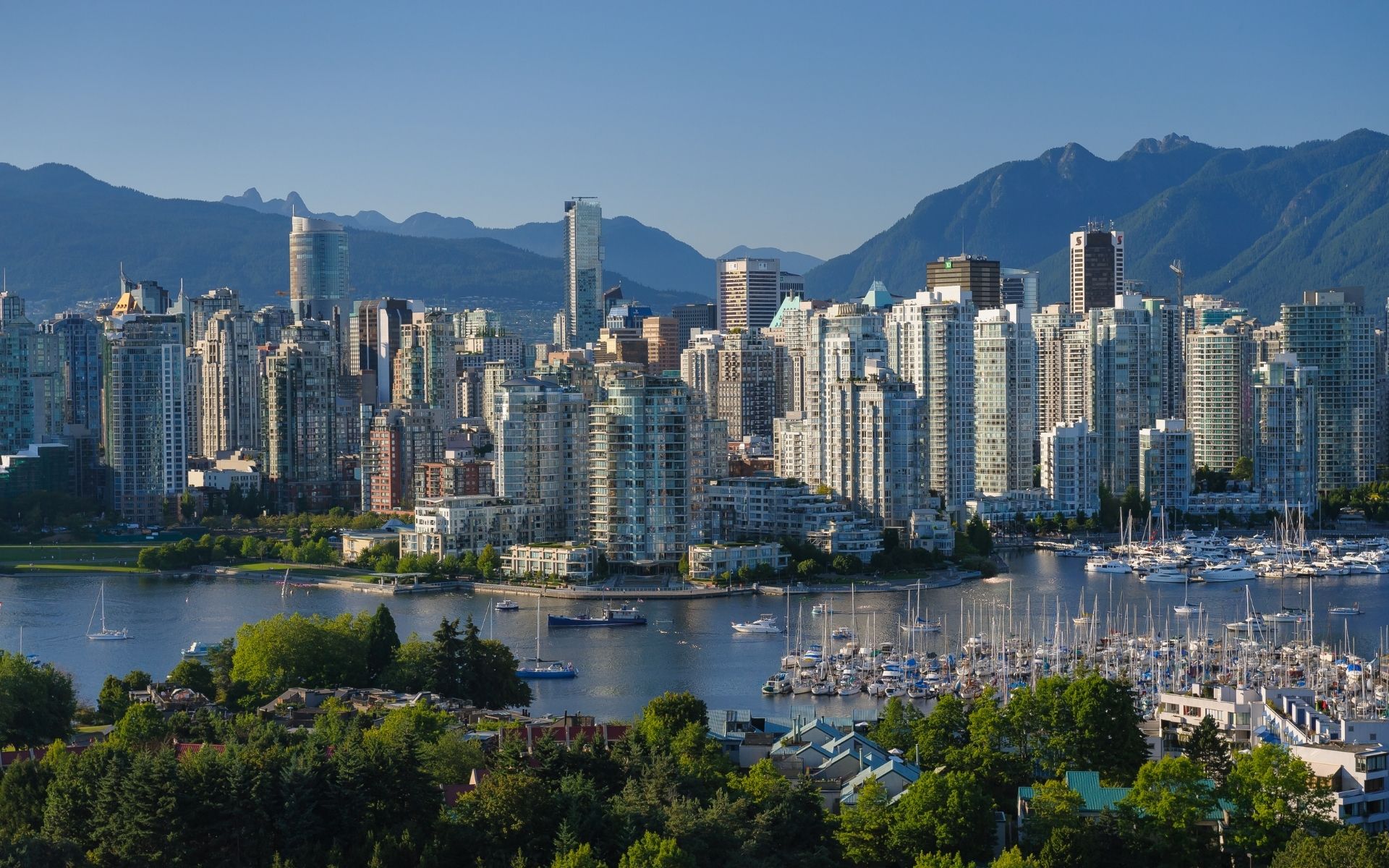
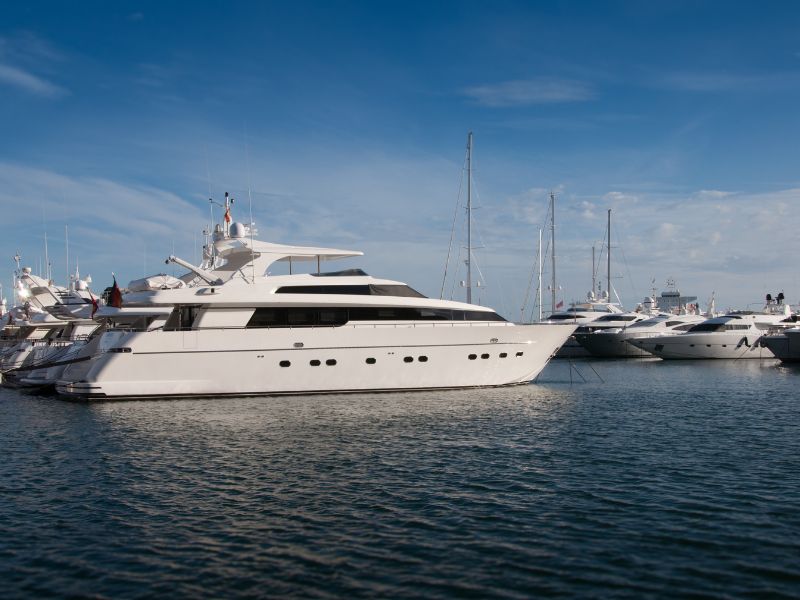
Vancouver is a beautiful place to own a boat, but it is also a busy marine environment. Pleasure craft, sailboats, fishing boats, water taxis, kayaks, paddleboards, commercial vessels, and marina traffic can all share the same waterways.
That activity creates risk. A small docking mistake can damage another boat. A sudden windstorm can push vessels into docks or neighbouring boats. Theft or vandalism can happen while a boat is stored or moored. Mechanical issues can leave you stranded. Boat insurance, also called marine insurance, is designed to help protect you from these kinds of financial losses.
False Creek, FIFA, and Why Local Conditions Matter
Recent activity in False Creek is a good reminder that local boating conditions can change quickly.
Ahead of FIFA World Cup events in Vancouver, reports noted that boats in the east end of False Creek were ordered to move, with a temporary exclusion zone affecting where vessels could be anchored or kept.
False Creek has also seen weather-related concerns. In a previous incident reported by Global News, an overnight windstorm sent several anchored boats into a marina. When boats are moved, crowded into different areas, exposed to weather, or kept in temporary locations, the risk of damage can increase.
This does not mean every boat owner needs a new policy every time the city gets busy. But it does show why Vancouver boat owners should understand their coverage before a problem happens.
What Does Boat Insurance Usually Cover?
Boat insurance policies can vary, so it is important to review the wording carefully. In general, marine insurance may include coverage for damage to your own boat, liability for damage or injury caused to others, and protection for certain equipment or contents connected to the vessel.
That matters because a boat is not just one item. It may include expensive machinery, electronics, safety equipment, sails, rigging, motors, and accessories. If something is damaged or stolen, the cost to repair or replace it can add up quickly.
Liability Coverage: Protecting Yourself and Others
Liability is one of the most important parts of boat insurance.
If you damage another person’s boat, hit a dock, injure a passenger, or cause damage while operating your vessel, you may be held financially responsible. Even a relatively small accident can become expensive when repairs, injuries, or legal costs are involved.
In a busy boating area like Vancouver, liability coverage is especially important. Marinas, yacht clubs, public docks, and popular waterways often have limited space. A moment of wind, current, distraction, or mechanical trouble can be enough to cause damage.
Boat liability insurance helps protect you from third-party claims, giving you financial support.
Physical Damage Coverage for Your Boat
Physical damage coverage helps protect your own vessel. Depending on the policy, this may include the hull, motor, machinery, sails, and other insured parts of the boat.
This coverage is important because boats face many different risks in BC. Damage can happen while docking, launching, trailering, storing, or navigating. Weather can also create problems, especially if a boat is anchored or moored in an exposed area.
For Vancouver boat owners, it is worth asking how your policy responds to damage caused by wind, collision, sinking, theft, vandalism, fire, or accidental damage.
Does Boat Insurance Cover Contents and Equipment?
Many boat owners keep valuable equipment on board. This can include navigation tools, electronics, fishing gear, safety equipment, life jackets, personal belongings, and other accessories.
Some marine insurance policies may include coverage for contents, while others may limit what is covered or require certain items to be listed separately. If you keep expensive equipment on your boat, ask your broker how those items are treated under the policy.
This is especially important if your boat is moored in a public or high-traffic area, stored away from home, or used often during the summer season.
What About Your Boat Trailer?
If you trailer your boat to launch points around Metro Vancouver, the Sunshine Coast, Vancouver Island, or the Interior, do not forget about the trailer.
Habitat Insurance notes that boat insurance can include coverage for the boat trailer. This is important because trailers can be damaged in transit, stolen, or involved in accidents while the boat is being moved.
Before you assume the trailer is covered, check your policy. You should know whether it is included, what the limit is, and whether coverage applies while the trailer is attached to a vehicle, parked, or stored.
Do Marinas and Yacht Clubs Require Boat Insurance?
Yes, many marinas and yacht clubs in BC require boat insurance before allowing a vessel to be moored there. Habitat Insurance notes that boat insurance is required for boats moored at most marinas or yacht clubs in BC.
This is another reason to arrange coverage before you need it. If you are changing marinas, joining a yacht club, moving your boat because of local restrictions, or applying for moorage, ask what proof of insurance is required.
Can Your Boat Be Added to Your Home Insurance?
Some smaller boats may be eligible to be added to a homeowner or condo insurance policy. However, larger boats, higher-value vessels, faster boats, or boats used in certain ways may require a stand-alone marine insurance policy.
This is where a broker can help. The right option depends on the type and value of the vessel, how it is used, where it is stored, and what coverage is required.
It is also important to remember that pleasure-use boats and commercial-use boats usually need different coverage. If your boat is used for business, rentals, tours, charters, instruction, or any income-generating purpose, you should speak with a broker before assuming a personal policy is enough.
What Information Do You Need for a Boat Insurance Quote?
Getting a boat insurance quote is easier when you have the right information ready.
You may be asked for details about the boat and motor, including the year, make, model, length, horsepower, value, and type of vessel. You may also need to provide information about your boating experience, driving record, storage location, moorage details, trailer, and how the boat will be used.
If the vessel is older, a marine survey may be required.
Common Exclusions to Watch For
Boat insurance policies are not all the same. Habitat Insurance notes that policies have different exclusions and that common exclusions can include wear and tear, mould, and failure to repair or maintain the vessel.
This is important because insurance is not a replacement for regular maintenance. If a loss happens because a boat was not properly maintained, the claim may be affected.
Before buying or renewing marine insurance, ask your broker what is not covered. You should understand exclusions, deductibles, navigation limits, storage requirements, lay-up periods, and any conditions related to maintenance or inspections.
When Should You Review Your Boat Insurance?
You should review your boat insurance before the boating season starts, before moving your boat to a new location, before changing marinas, before lending the boat to someone else, before taking longer trips, and before making major upgrades.
You should also review your coverage if local conditions change. Vancouver’s waterways can be busy at the best of times. With major events like FIFA bringing more people, more security planning, and more temporary restrictions into the city, boat owners should be proactive rather than reactive.
Why Work With a Vancouver Boat Insurance Broker?
Marine insurance can be confusing because every boat, owner, marina, and use case is different. A small fishing boat, sailboat, yacht, personal watercraft, and commercial vessel will not all need the same policy.
Working with a Vancouver insurance broker gives you a chance to ask questions, compare options, and understand what coverage makes sense for your boat. Habitat Insurance can help you review your needs, explain policy options, and guide you through the quote process.
Whether you are buying your first boat, renewing coverage, moving moorage, or trying to understand what protection you need before the summer season, getting advice from a broker can help you avoid costly gaps.
Get Boat Insurance Before You Get on the Water
Owning a boat in Vancouver should feel exciting, not stressful. But with busy waterways, changing local conditions, marina requirements, and unpredictable weather, the right marine insurance matters.
Before you launch, dock, store, or move your boat, take time to review your coverage. Habitat Insurance can help you understand your boat insurance options, make sure your vessel is better protected before you get on the water.
Contact Habitat Insurance today to speak with a Vancouver boat insurance broker and get help finding marine insurance in BC.